Skip to content

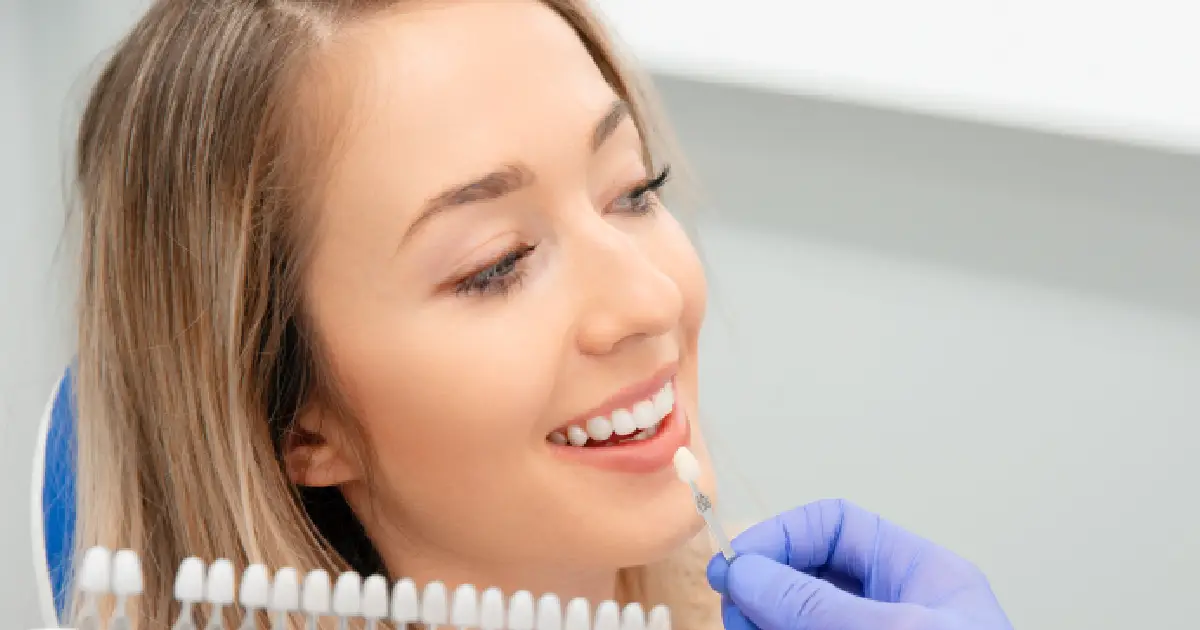
Table of Contents
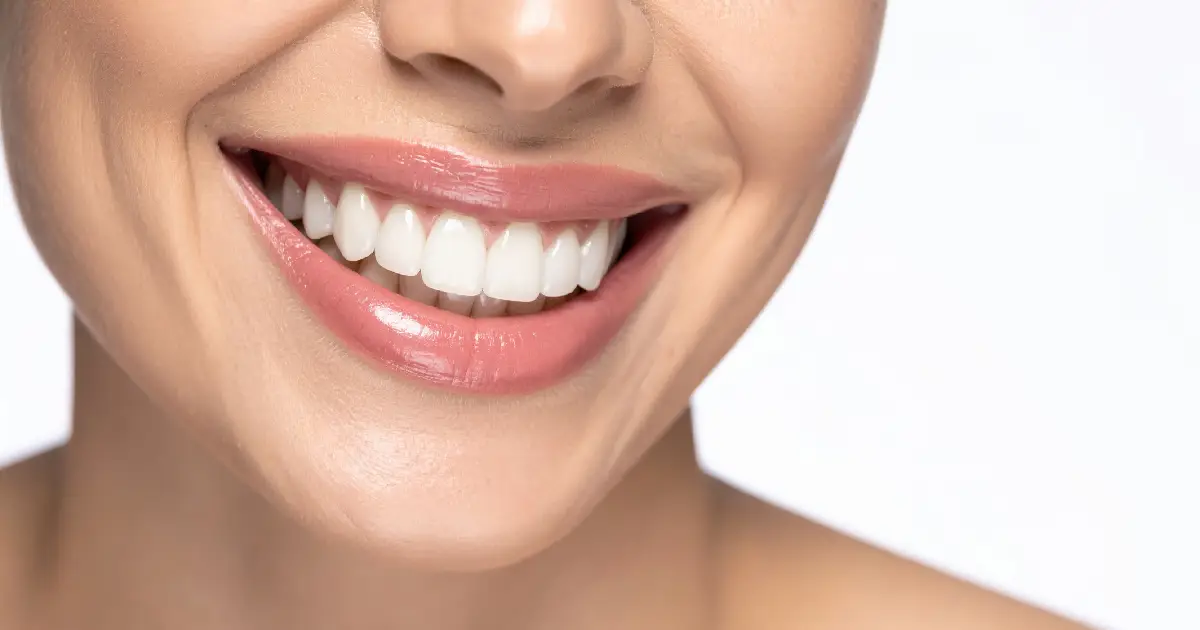
Cosmetic dentistry at the clinic of Dr. Matthew Guffey matters because it addresses the specific things people hide when they smile. Most patients who come in are not chasing a different face. They are tired of the small adjustments they make all day: the closed-lip smile in photos, the hand that drifts up during a laugh, the habit of talking with their mouth slightly covered.
Does your smile really affect how people see you at work?
Research on smile perception consistently links how a smile looks to how approachable, competent, and trustworthy a person seems. That matters most where professional life happens: interviews, presentations, client conversations, and video calls where your face fills the screen. Still, your smile is only one signal among many, working alongside your voice, your posture, and what you have to say.
What Cosmetic Dentistry Actually Covers
Cosmetic dentistry improves how your teeth and gums look, and in many cases it improves how they work at the same time. The clinical term is esthetic dentistry, but most people know it by the plain version so we will use that here.
The concerns it addresses are usually familiar ones: discoloration, chips, worn or uneven edges, gaps between teeth, and mild misalignment. What surprises people is how often appearance and structure overlap.
A chipped tooth is both a cosmetic and a structural concern. A tooth that looks too short may be worn down from grinding. This is why cosmetic dental treatments often sit alongside general dental care rather than apart from it. Your dentist is looking at the whole picture, not just the surface.
Why A Smile Carries Weight In Professional Settings
Smile appearance influences first impressions, and the research on this is fairly consistent. Studies on smile perception have linked how a smile looks to how approachable, competent, and trustworthy a person seems to others. That describes how people form impressions, not a promise about your career.
It helps to think about where those impressions happen. Professional life runs on communication: interviews, presentations, client conversations, & the video calls where your face fills most of the screen.
In those moments, your smile shapes how you come across, along with your voice, your posture, and what you actually have to say. It is one signal among many. It is just a signal you may be more aware of than anyone else in the room.
The Confidence Shift Most Patients Describe
The change patients describe after cosmetic dentistry for confidence is usually quieter than people expect. Nobody walks out with a new personality. What tends to shift is how much attention their smile takes up.
Self-consciousness about teeth shows up in small habits. You smile with your lips together. You turn slightly away in group photos. You cover your mouth when something is funny. None of that feels like a big deal from the inside, but in a meeting or an interview, those habits can read as hesitation even when you feel perfectly confident.
When you address the concern, most patients report they stop monitoring themselves mid-conversation. That attention shifts outward, toward listening & responding. That is the honest version of the cosmetic dentistry benefits you hear about. Not a transformation, just one less thing to manage.
The Concerns That Bring People In
Most people who ask about a professional smile makeover are dealing with one of a handful of specific things:
- Staining and discoloration, including the deeper kind that no longer responds to whitening
- Chips and worn edges, often from grinding (bruxism) or an old injury
- Gaps, crowding, or teeth that look uneven in length next to each other
- A single tooth that has darkened over time after an old filling or root canal treatment
That last one comes up more than people realize. One noticeably darker tooth can draw the eye more than a general concern spread across the whole smile.
How Veneers Address Appearance And Structure Together
Veneers are central to cosmetic dentistry in Oklahoma City at our practice, and we offer three approaches depending on what your teeth need. No-prep veneers are the most conservative option. These ultra-thin veneers require little to no change to the natural tooth, which appeals to patients who want to protect their enamel.
Minimal-prep veneers involve slightly reshaping the tooth first, balancing preservation with the final result and durability. Traditional porcelain veneers are custom-made and handle more significant concerns: deeper discoloration, noticeable misalignment, or chipping.
What A Realistic Cosmetic Dentistry Plan Looks Like
A plan starts with an evaluation, not a menu selection. Dr. Guffey evaluates the condition of your teeth, your bite, and your gum health before recommending anything, because the treatment that produces a natural-looking smile for one patient isn’t automatically right for the next.
Timelines vary. Some treatments finish in a single visit, while veneers typically run across several appointments over a few weeks. If you want to see where things are headed before committing, the Smile Test Drive & the virtual consultation both let you preview the direction first, which takes some of the uncertainty out of the decision.
Results also depend on what happens afterward. Consistent brushing and flossing, regular checkups, and cutting back on coffee, red wine, and tobacco all affect how long your results last.
Who Cosmetic Dentistry Is And Is Not For
Cosmetic work sits on top of a sound foundation, so good candidates generally have healthy gums and no untreated decay. If gum disease, active decay, or an untreated bite problem is present, we usually address it first. This is not a delay tactic. Veneers placed over an unresolved issue tend not to last, & nobody wants to redo work.
Grinding is worth mentioning at your consultation too. If you grind at night, we may recommend a protective appliance alongside cosmetic treatment to protect the result.
Beyond the clinical factors, realistic expectations matter most. The happiest patients are the ones who wanted their own smile to look like a better version of itself, not someone else’s.
Ready to Talk It Through?
If you have been quietly thinking about your smile for a while, that is reason enough to ask a question. Cosmetic dentistry works best as a conversation first, and Dr. Matthew Guffey is glad to talk through what is realistic for your teeth. Enhance your smile with cosmetic dentistry today!