Skip to content


Table of Contents
If you have spent any time quietly covering your smile in photos, you already know how much a chipped edge or a small gap can distract you. Composite veneers are one of the gentlest ways to address that, and they are a common starting point for patients exploring cosmetic dentistry with Dr. Matthew Guffey.
How to care for composite veneers so they stay looking new?
Brush twice a day and floss as you always have, choosing a non-abrasive toothpaste instead of a gritty whitening formula, since those dull the polish over time. Keep your regular checkups so your dentist can evaluate, polish, and touch up your veneers early. If you grind, wear your nightguard. Most patients find the upkeep an easy trade for a faster, gentler treatment.
What Composite Veneers Actually Are
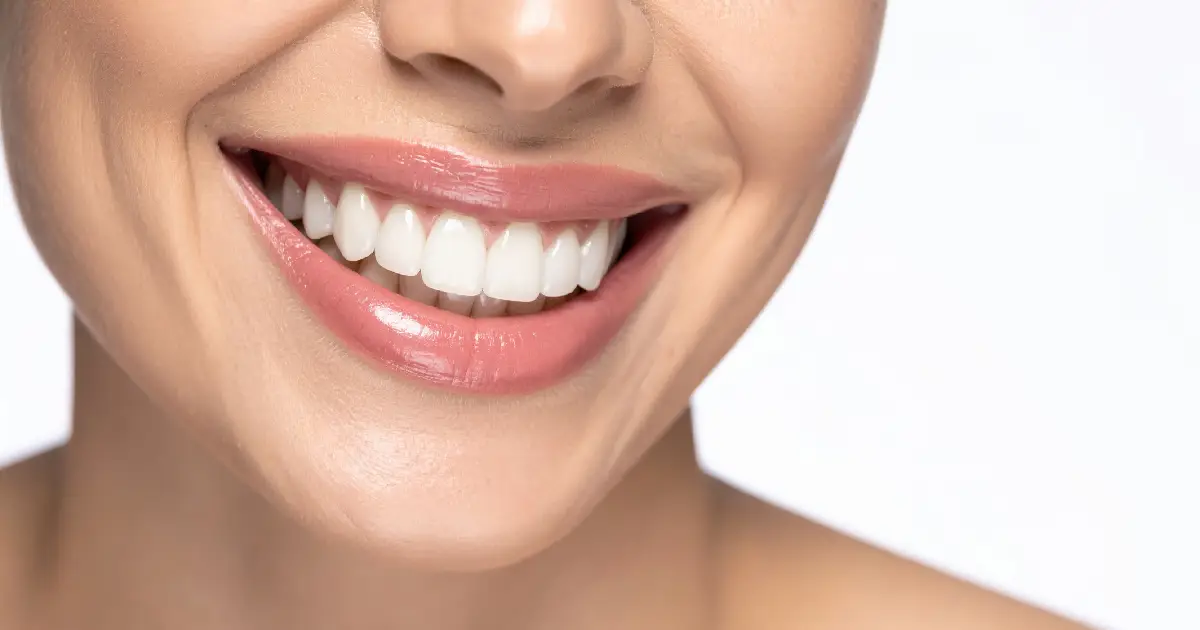
Composite dental veneers are thin layers of tooth-colored resin applied directly to the front surface of your teeth, then shaped, hardened with a curing light, and polished to blend with the surrounding teeth. Dentists sculpt the material in your mouth rather than fabricate it in a lab so that many patients can complete the work in a single visit.
You may have heard this called composite bonding, and it uses the same material. The difference is scope. Bonding usually repairs one small spot, like a chipped corner. A veneer covers the full visible face of the tooth to change its shape, shade, or proportions. Porcelain veneers work similarly, using a lab-made shell that generally lasts longer but requires more from your natural tooth.
Who Composite Veneers Work Best For
Composite veneers work beautifully for patients with healthy teeth and mostly cosmetic concerns. Good oral health comes first, which means no untreated decay and no active gum inflammation.
From there, you are likely a strong candidate if you recognize yourself in any of these:
- Chips, worn edges, or teeth that look slightly uneven in length
- Small gaps you would like closed without orthodontics
- Mild surface discoloration that whitening alone has not improved
- A preference for keeping your enamel intact and finishing in fewer appointments
One more quality matters just as much, and it is worth being candid about. The best candidates are comfortable with a result that will be maintained and eventually refreshed rather than placed once and forgotten.
Who Should Consider a Different Option
Some smiles need different care first, and saying so is part of doing this well. Resolve active decay, gum disease, or an untreated infection before any cosmetic work begins, because veneers placed over an unhealthy foundation will not hold up.
Significant crowding or a bite that does not come together properly usually calls for orthodontic treatment first. Veneers can disguise mild irregularity, but they cannot reposition teeth, and layering resin over a crowded arch often creates a bulky look.
If you grind or clench at night, composite wears and chips faster under that pressure. In many cases, a nightguard or a more durable material is the smarter path. When a tooth is cracked, heavily filled, or structurally weak, a crown protects it in a way a veneer can’t.
The Benefits That Matter Most When You Are Deciding
The appeal of minimally invasive veneers comes down to how little they require.
They are conservative by design, since they typically remove little to no enamel. Enamel doesn’t grow back, so preserving it keeps your options open. Many cases are completed in one appointment, depending on how many teeth are treated, which can be a real relief if taking time off work is complicated.
They are also repairable. If an edge chips down the road, they can often smooth or rebuild it in a short visit instead of replacing it entirely. Because so little tooth structure is altered, the decision feels lower-stakes than committing to a more heavily prepped treatment.
Those are the composite veneer benefits that tend to matter most once patients are weighing real trade-offs rather than browsing photos.
What the Process Looks Like From Consultation to Final Polish
The composite veneers procedure begins with a consultation, not a drill. Dr. Guffey examines your teeth and gums, listens to what specifically bothers you about your smile, and matches shades so the result looks natural, not noticeable. He’ll also tell you honestly whether another treatment better suits your situation.
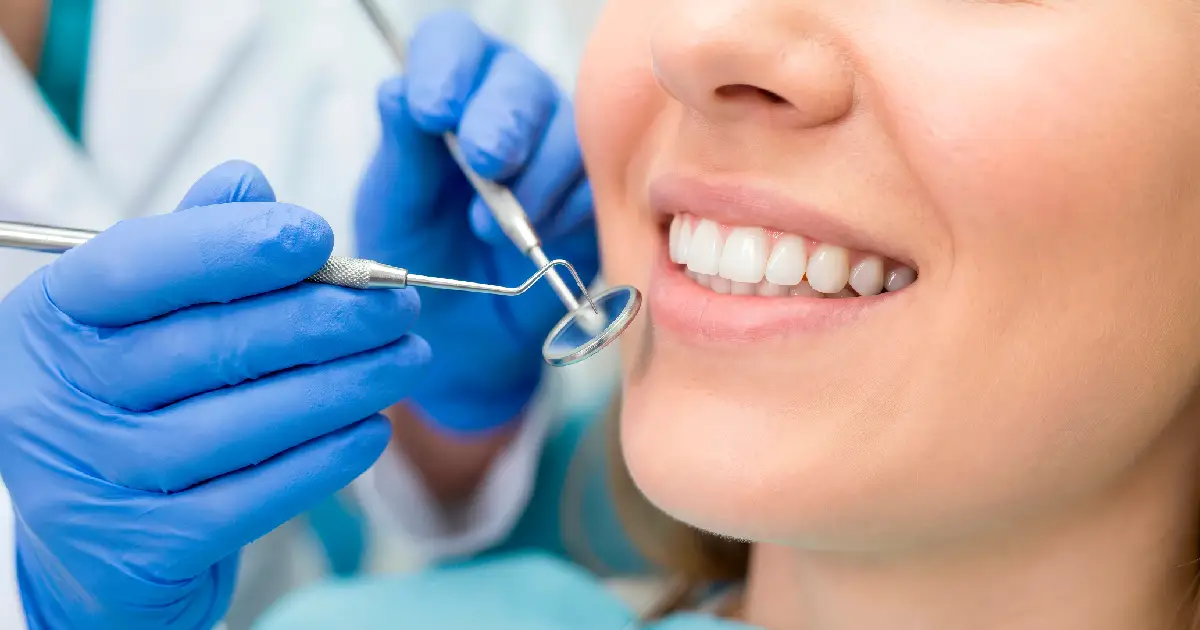
At the appointment, we clean your teeth and lightly prepare the surface so the resin bonds securely. Dr. Matthew Guffey then applies the composite in thin layers and shapes it by hand, tooth by tooth, curing each layer before adding the next. Once the shape is right, we contour and polish everything to a natural shine.
Because we touch so little tooth structure, anesthetic is often unnecessary, though it is always available if you would feel more at ease with it. Plan on a longer visit if several teeth are being treated.
You can eat normally afterward, with reasonable caution around very hard foods at first. Some patients notice mild temperature sensitivity for a short while, and it typically settles on its own. You’ll leave with a finished smile, one of the most satisfying parts of a composite smile makeover.
What Results Look Like and How Long They Typically Last
Most patients can expect composite veneer results to last about five to seven years, though results vary widely based on habits and care. Many people get longer results, especially when they maintain their veneers and have them professionally polished at routine visits.
Daily life is what shortens that window. Coffee, tea, red wine, and tobacco gradually dull the surface because composite resin is slightly more porous than porcelain and absorbs pigment more readily. Nail biting, grinding, and using your teeth to open things cause chips.
The encouraging part is that most of this is manageable. A polishing visit can restore much of the original luster, and small repairs are usually quick.
Ready to Talk It Through
Composite Veneers in Oklahoma City, OK can be a comfortable first step toward a smile you no longer hide. If you are unsure whether they fit your teeth and your goals, Dr. Matthew Guffey will tell you honestly during an evaluation. Book a Composite Veneers Consultation and let’s talk it through together.